Explore a historical apartment with eerie tensions and survival puzzles, spotlighting realism over supernatural elements
Explore a historical apartment with eerie tensions and survival puzzles, spotlighting realism over supernatural elements
Pros
- Rich, atmospheric setting rooted in real history
- Effective use of minimalist visuals and sound for tension
- Puzzles and clues integrated organically with narrative
- Strong thematic and political undertones
- Available in both English and Spanish
Cons
- Short playtime with no replay incentives
- Limited environments and narrative branches
- Basic puzzle design may not satisfy all players
A chilling, politically charged indie horror set in a claustrophobic Spanish apartment
Atmosphere-Driven Terror Rooted in History
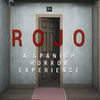
ROJO stands out in the indie horror landscape by grounding its scares in historical context rather than supernatural elements. Set within a decrepit apartment in Madrid, the game draws on Spain’s dark past under Francisco Franco, using the oppressive atmosphere and unsettling detail to craft a uniquely haunting experience. Developed by Miguel Moreno, ROJO invites players to explore a single, detail-rich environment as they search for a missing friend, unraveling layers of personal and national trauma as the story unfolds.
Storytelling and Setting
Rather than resorting to clichéd jump scares or monsters, ROJO infuses its single-location setting with tension through intimate world-building and culturally loaded symbolism. Players navigate the tight confines of an apartment owned by a fanatic, piecing together information through scattered photographs, propaganda, and hand-written notes. This immersive approach deepens the sense of dread, as seemingly ordinary objects become loaded with menacing significance.
Gameplay and Puzzles
At its core, ROJO employs traditional adventure-horror mechanics. Investigation involves methodically examining every corner, solving logical puzzles, and finding keys while avoiding an ever-present sense of being watched. Equipped with only a sputtering flashlight, the player’s vulnerability is amplified by limited resources and a palpable sense of isolation. The puzzles, while straightforward, are effective at maintaining immersion and pacing, working in tandem with the narrative rather than slowing momentum.
Visual and Audio Design
ROJO’s visuals are minimalist yet highly effective. The muted color palette, stained walls, and authentic period details help establish an authentic, unsettling environment. Carefully chosen artwork and hidden references reward observation, enhancing replay interest for those drawn to detail. Sound design further enhances dread: muffled footsteps, distant drips, and unnerving silences add to the paranoia, making each new room a potential source of unease.
Duration and Replayability
One of the few drawbacks of ROJO is its brevity. Most players can complete the game in under an hour, and its single ending makes repeat play-throughs less compelling. However, its tight structure lends itself to a focused, impactful experience rather than overstaying its welcome. The game supports both English and Spanish, broadening accessibility and allowing the cultural themes to reach a wider audience.
Impact and Message
What makes ROJO memorable is the way it weaves gameplay and political commentary together. By confronting the lingering shadows of fascism through exploration rather than exposition, the game manages to both educate and unsettle. It is a pointed reminder of how history continues to shape the present, and of the horrors that can take root in the most ordinary of places.
Pros
- Rich, atmospheric setting rooted in real history
- Effective use of minimalist visuals and sound for tension
- Puzzles and clues integrated organically with narrative
- Strong thematic and political undertones
- Available in both English and Spanish
Cons
- Short playtime with no replay incentives
- Limited environments and narrative branches
- Basic puzzle design may not satisfy all players